
Dollar Cost Averaging ETFs sets the stage for this enthralling narrative, offering readers a glimpse into a story that is rich in detail with casual formal language style and brimming with originality from the outset.
As we delve deeper, we uncover the nuances of Dollar Cost Averaging with ETFs, shedding light on its benefits and practical implementation for investors looking to optimize their portfolios.
Introduction to Dollar Cost Averaging ETFs
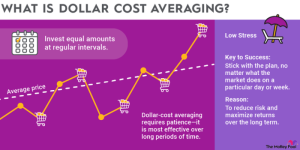
Dollar Cost Averaging (DCA) is a strategy where an investor regularly buys a fixed dollar amount of a specific investment regardless of the asset’s price. Exchange-Traded Funds (ETFs) are investment funds that are traded on stock exchanges, holding assets such as stocks, commodities, or bonds. ETFs are known for their low expense ratios and diversification benefits.
Significance of ETFs in Investment Strategies
ETFs offer investors a way to gain exposure to a wide range of assets with the convenience of trading on an exchange like a stock. They provide diversification, liquidity, and typically have lower fees compared to traditional mutual funds. This makes ETFs a popular choice for both individual and institutional investors looking to build a diversified portfolio.
Benefits of Combining Dollar Cost Averaging with ETF Investments
- Minimizes the impact of market volatility: DCA helps reduce the risk of making large investments at inopportune times by spreading out purchases over time.
- Potential for lower average cost: By buying more shares when prices are low and fewer shares when prices are high, DCA can lead to a lower average cost per share over time.
- Discipline and consistency: DCA encourages disciplined investing by committing to regular investments regardless of market conditions, helping to avoid emotional decision-making.
- Benefit of compounding: Regular investments through DCA allow for the potential growth of investments through compounding returns over time.
Implementing Dollar Cost Averaging with ETFs
When it comes to implementing Dollar Cost Averaging (DCA) with Exchange-Traded Funds (ETFs), it’s important to follow a strategic approach to maximize the benefits of this investment strategy. Here is a step-by-step guide on how to start DCA with ETFs, along with considerations for frequency and amount.
Choosing the Right ETFs for DCA
- Consider ETFs that track broad market indexes like the S&P 500 or total stock market.
- Look for ETFs with low expense ratios to minimize costs over time.
- Select ETFs from reputable providers with a history of performance and stability.
Setting Frequency and Amount for Investments
- Determine a regular interval for investing, whether it’s weekly, bi-weekly, or monthly.
- Decide on a fixed amount to invest during each interval, maintaining consistency over time.
- Consider increasing the amount invested during market downturns to take advantage of lower prices.
Advantages of Dollar Cost Averaging ETFs
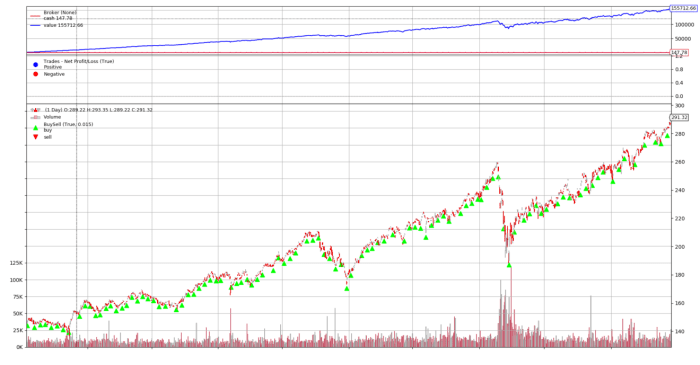
Dollar Cost Averaging (DCA) with Exchange-Traded Funds (ETFs) offers several benefits over lump-sum investing, especially when considering risk mitigation and market volatility impact.
Risk Mitigation with Dollar Cost Averaging
- DCA allows investors to spread out their investment over time, reducing the impact of market fluctuations on the overall investment.
- By consistently investing fixed amounts at regular intervals, investors can avoid making emotional investment decisions based on short-term market movements.
- This strategy helps to average out the purchase price of ETF units over time, potentially reducing the risk associated with investing a large sum at an inopportune moment.
Impact of Market Volatility
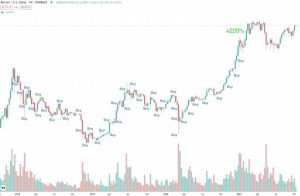
- During periods of market volatility, DCA can help investors take advantage of lower prices by buying more units when prices are down.
- Since DCA involves regular investments regardless of market conditions, investors can benefit from dollar-cost averaging down when prices are lower, potentially increasing returns when the market rebounds.
- This approach can help investors stay disciplined and focused on their long-term investment goals, rather than trying to time the market, which can be challenging and risky.
Factors to Consider when Dollar Cost Averaging ETFs
Before starting a Dollar Cost Averaging plan with ETFs, investors should carefully consider several key factors to maximize the effectiveness of this strategy.
The Importance of Diversification
When selecting ETFs for Dollar Cost Averaging, diversification is crucial. By investing in a range of assets, sectors, or regions, investors can reduce risk and enhance potential returns.
Impact of Fees and Expenses
It is essential to pay attention to the fees and expenses associated with ETFs when implementing a Dollar Cost Averaging strategy. High fees can erode returns over time, so choosing low-cost ETFs can make a significant difference in the long run.
In conclusion, Dollar Cost Averaging ETFs emerges as a compelling strategy that not only minimizes risk but also enhances long-term investment returns, making it a valuable tool in the arsenal of savvy investors.
Clarifying Questions
What is the main concept behind Dollar Cost Averaging with ETFs?
Dollar Cost Averaging involves investing a fixed amount at regular intervals, regardless of market conditions, to reduce the impact of volatility on investments.
How does Dollar Cost Averaging differ from lump-sum investing in ETFs?
Dollar Cost Averaging spreads out investment purchases over time, reducing the risk of making a large investment at an inopportune time compared to lump-sum investing.
Why is diversification important when implementing Dollar Cost Averaging with ETFs?
Diversification helps mitigate risk by spreading investments across different asset classes, reducing the impact of market fluctuations on the overall portfolio.
What factors should investors consider before starting a Dollar Cost Averaging plan with ETFs?
Investors should consider their investment goals, risk tolerance, and time horizon before embarking on a Dollar Cost Averaging strategy with ETFs.
How can fees and expenses affect Dollar Cost Averaging with ETFs?
Fees and expenses can erode returns over time, so it’s essential for investors to choose low-cost ETFs to maximize the benefits of Dollar Cost Averaging.
:max_bytes(150000):strip_icc()/dotdash_Final_Choosing_between_dollar_cost_and_value_averaging_Feb_2020-b7f84326e7ad417788c0969f6a568124.jpg?w=700)


