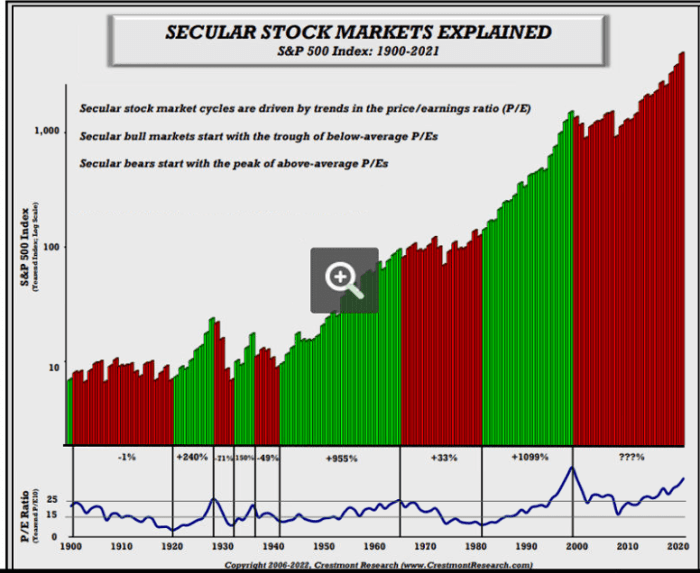
Embark on the journey of understanding Dollar Cost Averaging in a Bear Market, where savvy investors thrive amidst volatility, securing their financial future with strategic investment decisions.
Delve deeper into the realm of investment strategies and discover the power of consistent investing even in challenging market conditions.
Introduction to Dollar Cost Averaging
Dollar Cost Averaging is a strategy used by investors to mitigate the impact of market volatility by investing a fixed amount of money at regular intervals, regardless of market conditions. This approach aims to reduce the risk of making poor investment decisions based on short-term market fluctuations.
How Dollar Cost Averaging Works
Dollar Cost Averaging involves buying more shares when prices are low and fewer shares when prices are high, averaging out the cost over time. For example, if you invest $100 every month in a particular stock, you will buy more shares when the price is low and fewer shares when the price is high. This helps in reducing the overall cost per share over the long term.
Benefits of Using Dollar Cost Averaging
- Reduced impact of market volatility: By investing at regular intervals, Dollar Cost Averaging helps in smoothing out the effects of market fluctuations.
- Disciplined approach to investing: It promotes a consistent investment strategy regardless of market conditions, helping investors stay focused on their long-term goals.
- Potential for lower average cost: Investing a fixed amount regularly means buying more shares when prices are low, potentially lowering the average cost per share over time.
- Less emotional decision-making: Dollar Cost Averaging takes the emotion out of investing by automating the process, reducing the urge to time the market.
Dollar Cost Averaging Strategy in Bear Markets

Dollar Cost Averaging (DCA) is a strategy where an investor regularly purchases a fixed dollar amount of a particular investment regardless of its price. This approach can be particularly beneficial during bear markets, where prices are falling, as it allows investors to take advantage of market downturns.
Benefits of Dollar Cost Averaging in Bear Markets
One of the key advantages of continuing DCA in a bear market is that it helps investors avoid trying to time the market. Instead of worrying about buying at the absolute lowest price, DCA allows investors to focus on the long-term growth potential of their investments.
- By consistently purchasing assets at regular intervals, investors can lower the average cost per share over time. This means that when prices eventually recover, the overall return on investment can be higher compared to trying to time the market.
- DCA helps reduce the impact of market volatility by spreading out purchases over time. This can help mitigate the risk of making large investments at inopportune times during a bear market.
- Investors who continue to DCA during a bear market can take advantage of dollar-cost averaging down. This means buying more shares when prices are lower, which can lead to higher returns when the market eventually rebounds.
Examples of Dollar Cost Averaging in Bear Markets
Consider an investor who decides to invest $100 every month in a particular stock during a bear market. Here’s how DCA can help navigate volatility:
During the first month, the stock price is $20, so the investor buys 5 shares. In the second month, the price drops to $15, allowing the investor to purchase about 6.67 shares. As the market continues to decline, the investor buys more shares each month, ultimately lowering the average cost per share and benefiting from the eventual market recovery.
Implementing Dollar Cost Averaging in a Bear Market
When it comes to implementing Dollar Cost Averaging in a bear market, there are several key steps to consider in order to navigate through turbulent market conditions effectively.
Starting Dollar Cost Averaging in a Bear Market
To start Dollar Cost Averaging in a bear market, the first step is to set a consistent schedule for investing, regardless of market fluctuations. Determine the amount you are comfortable investing at regular intervals, such as weekly or monthly, and stick to this plan.
Next, select a diversified portfolio of assets to spread out the risk and potentially benefit from lower prices in a bear market. By investing consistently over time, you can take advantage of dollar-cost averaging to potentially reduce the impact of market volatility on your overall investment.
Differences in Executing Dollar Cost Averaging in a Bear Market vs. a Bull Market
- In a bear market, prices are generally lower, allowing you to purchase more shares for the same amount of money compared to a bull market. This can work to your advantage as you accumulate more assets at lower prices.
- During a bull market, prices are on the rise, making it challenging to buy low. However, by sticking to your Dollar Cost Averaging strategy, you can still benefit from long-term gains and mitigate the impact of market volatility.
Tips for Managing Dollar Cost Averaging in Turbulent Market Conditions
- Stay disciplined and avoid emotional decision-making. Stick to your investment plan and continue investing regularly, regardless of short-term market fluctuations.
- Monitor your investments periodically to ensure your portfolio remains diversified and aligned with your long-term financial goals.
- Consider adjusting your investment amounts based on your financial situation and market conditions, but avoid making drastic changes that could impact your overall strategy.
- Seek professional advice or guidance if needed to make informed decisions and navigate through challenging market environments effectively.
Case Studies and Real-Life Examples
When it comes to investing in a bear market, Dollar Cost Averaging has proven to be a reliable strategy for many investors. Let’s take a look at some case studies and real-life examples where individuals have successfully used Dollar Cost Averaging to navigate through market downturns.
Investor A: Weathering the Storm
- Investor A started investing in a bear market using Dollar Cost Averaging.
- Despite the market’s volatility, Investor A continued to invest a fixed amount at regular intervals.
- Over time, Investor A was able to purchase more shares when prices were low and fewer shares when prices were high.
- As a result, Investor A was able to lower the average cost per share and eventually saw significant gains when the market recovered.
Real-Life Scenario: Achieving Financial Goals
- John, a working professional, decided to start investing using Dollar Cost Averaging during a bear market.
- Despite the initial market downturn, John continued to invest a fixed amount every month.
- Over the years, John was able to accumulate a substantial investment portfolio at an average cost that was lower than the market highs.
- When the market eventually recovered, John’s disciplined approach to investing helped him achieve his financial goals and secure his future.
Success Story: Beating Market Volatility
- Sarah, a young investor, was initially hesitant to invest during a bear market.
- However, with the guidance of a financial advisor, Sarah decided to implement Dollar Cost Averaging.
- By investing a fixed amount regularly, Sarah was able to take advantage of market dips and accumulate shares at lower prices.
- Despite the market’s ups and downs, Sarah stayed committed to her investment strategy and eventually saw positive returns when the market bounced back.
In conclusion, Dollar Cost Averaging emerges as a resilient approach in navigating the uncertainties of a bear market, offering a path to financial stability and long-term growth for those who dare to embrace its potential.
FAQ Summary
How does Dollar Cost Averaging differ in a bear market compared to a bull market?
In a bear market, Dollar Cost Averaging allows investors to purchase more shares at lower prices, potentially lowering their average cost per share over time.
Is Dollar Cost Averaging a suitable strategy for short-term investments during a bear market?
Dollar Cost Averaging is generally more effective for long-term investments, as it helps mitigate the impact of market fluctuations over time.
Can Dollar Cost Averaging protect against all losses in a bear market?
While Dollar Cost Averaging can reduce the impact of market downturns, it may not entirely shield investors from losses during extreme bearish conditions.
:max_bytes(150000):strip_icc()/dotdash_Final_Choosing_between_dollar_cost_and_value_averaging_Feb_2020-b7f84326e7ad417788c0969f6a568124.jpg?w=700)


